
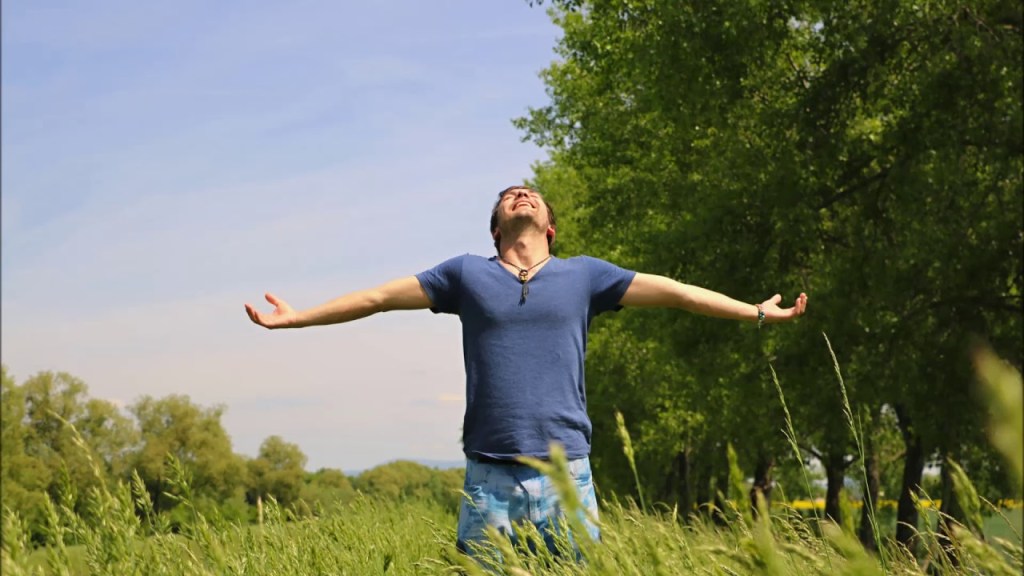
The Sense of Awe (Transcript)
Remember when you first stepped into a grand cathedral, and your gaze was pulled upward by the towering arches and intricate stained glass? That feeling of awe, once a cornerstone of Catholic worship, seems to be fading.
Hello and welcome to Our Walk Together. The episode comes from a few things that I have been noticing. First is the absence of young people and young families at Mass (though this is not just a Catholic thing). And secondly from the behavior I witness in church. I continually wonder when the time before Mass begins is a time to share all the latest news, medical issues, or just chatter. There are times when the time before Mass sounds like a sporting before the action begins. I wonder where the lessons of respect and silence in church that , at least I was taught, have gone.
What does this have to do with our topic today? It is my opinion that this loss is q big reason why attendance is an issue.
In a time when ancient rituals meet modern interpretations, many wonder if we’ve lost touch with the sacred wonder that once drew people in. As we explore this shift, we’ll shed light on why this change is happening and what it means for the faithful today. Discovering the reasons behind this transformation could lead us back to moments that inspire true reverence in our spiritual lives.
In examining the history of Catholicism, awe has played an essential role. This profound sense of wonder wasn’t just an emotion; it was central to the experience and practice of faith. Let’s explore how awe was built into the fabric of early Christian life, through rituals and vibrant teachings.
In the days of early Christianity, awe was more than a fleeting feeling. It was an anchor for belief. The first Christian communities understood that awe could transform an ordinary moment into a holy experience. When followers gathered for prayer or listened to stories of Jesus, they did so with a sense of wonder. Awe wasn’t just in the miracles; it was in every sunset and every act of kindness, reminding them of a deeper presence in their lives.
Rituals in the Catholic Church are designed to inspire awe and connect believers to the divine. Consider the Mass, where the act of Communion brings a sense of sacred mystery. The sacraments, too, from Baptism to Confirmation, offer moments of deep spiritual reflection. Each ritual is a step on a path lined with awe, encouraging believers to see the holy in the here and now. These practices are like signposts, guiding the faithful through a journey of spiritual discovery.
Key figures like St. Francis, St. Clare, St Therese of Liseux, St .Thomas Aquinas and more recently the soon to be canonized Blessed Carlo Acutis, have emphasized the importance of awe in their teachings and example. Aquinas believed that awe was a natural response to God’s greatness, bridging the human and the divine. He argued that awe could lead believers to wisdom by opening their minds to truths larger than themselves. In many ways, theological writings served as a guide, helping people see beyond the everyday and touch the eternal.
There can be little doubt that Francis taught and lived this. He found the presen e of God in all things created and was in awe of this.
In analyzing these elements, it becomes clear that a sense of awe was not an optional extra in Catholicism but a core component. It was through awe that early Catholics deepened their faith and felt a direct connection to the divine mystery.
In recent years, many have noted a shift in how Catholics perceive awe and wonder in their faith. This change, influenced by both internal and external factors, has reshaped how many experience and understand the divine. Let’s unpack some of these influences.
The rise of secularism has played a big role in transforming religious perception. In a world where science often explains what was once thought to be mysterious, the sense of the supernatural can feel less present. Does this mean that awe and wonder are now relics of the past? Not necessarily. While secularism encourages people to question and understand through reason, it can overshadow the mystical aspects of faith that inspire awe.
This shift has led to a more pragmatic view of religious rituals. To many, traditional practices might seem outdated in a society that values empirical evidence. Yet, for those who engage genuinely, the divine can still be a source of awe, just in different ways than before.
Modern worship has also evolved, leading to changes in the experience of awe. Take a moment to think about contemporary churches. They might feature rock bands, multimedia displays, and a more relaxed atmosphere. For some, these innovations foster a closer connection to faith. For others, they detract from the solemnity and mystery that once defined the church experience.
Society and culture have equally contributed to this shift. We’re in an era saturated with technology and media. With instant access to information, the mysteries of life feel more accessible. This has influenced religious experiences, too. With social media and constant connectivity, the answer to most questions is a click away, making old-world wonder seem quaint.
Moreover, popular culture often paints religion as outdated or irrelevant. This portrayal can seep into public perception, coloring how individuals see their own faith. Yet, culture can also spread religious awareness. The challenge lies in balancing new influences with the deep-rooted tradition that has defined Catholicism for centuries.
In short, the sense of awe in Catholicism is not lost but transformed, shaped by contemporary influences. As society progresses, so does the personal journey through faith. Reflecting on these changes can help rekindle that sense of wonder that resonates deeply within us.
Have you ever stood on a mountain peak and felt that rush—a sense of being part of something much bigger than yourself? That, my friend, is awe. Psychology recognizes awe as a powerful emotion that shapes how we see the world and our place in it.
From a psychological standpoint, awe is a complex emotion that combines surprise, admiration, and sometimes even fear. It happens when we encounter something vast that challenges our understanding. Think of the wonder you feel under a starry night sky or the chills from an inspiring piece of music. This mix of amazement and wonder is universal—being part of what makes us human.
Awe often involves something much bigger than ourselves. It prompts us to adjust our mental frameworks to understand new experiences.
Whether through nature, art, or ideas, awe stretches our minds and pushes us to think differently. It’s not just a fleeting feeling but a gateway to curiosity and creativity, making it a fundamental part of human experience.
When it comes to spirituality and religion, awe plays distinct roles. Spirituality is often personal and subjective, focusing on individual connections with the universe or a higher power. Here, awe is intimate, like a quiet conversation with your soul.
On the other hand, organized religion provides structured settings for experiencing awe, like cathedrals or sacred rituals. These communal settings can amplify the sense of awe, but they may sometimes feel scripted, lacking the spontaneity of personal spiritual moments.
- Spirituality is Often personal and unique, focused on one’s inner self and connection to the cosmos.
- Religion is Structured and communal, often involving shared experiences that foster a collective sense of awe.
The difference between these experiences can be likened to reading a personal diary versus attending a public performance. Both can be awe-inspiring, but they resonate differently with each individual. In spirituality, awe might sneak up on you during a solitary walk, while in religion, it can hit you like a wave during a powerful sermon.
Awe, whether in the quiet of one’s heart or the grandeur of a cathedral, continues to be a vital part of how we connect with the divine and with each other.
In today’s fast-paced world, the sense of awe in Catholicism seems to be fading. Awe is that deep, spiritual feeling that connects us to something greater than ourselves. It’s like the spark that lights the fire of faith. But how do we bring this back? Let’s look at some ways to revive it.
Think about how attending Mass could feel like stepping into a sacred place that takes your breath away. By introducing innovative liturgical practices, churches can reignite that sense of wonder. This isn’t about changing core beliefs, but about making the experience feel fresh and meaningful.
- Creative Use of Space: I have seen many ugly church interiors, many new buildings. We can transform church interiors with art, lighting, and visuals that captivate the senses.
- The Scriptures: Those who share the Scriptures need to learn how to read the Scriptures in a way that takes them from dull words to exciting sparks.
- Music: Blend traditional hymns with contemporary music to connect with more people. I will leave it to the Musicians to describe what this means. But again some things we hear are designed for personal meditation rather than communal praise.
These ideas can turn a regular service into a moving experience, helping parishioners feel a deeper connection to their faith.
Awe doesn’t just happen in isolation; it’s often felt when we’re part of a community. Churches should foster environments where people feel like they belong to something bigger than themselves
Educational Initiatives
Education plays a big role in understanding and appreciating the depth of faith. Introducing educational initiatives can shed light on the mysteries of Catholicism, sparking curiosity and awe
Bringing awe back to Catholicism isn’t just about grand gestures; it’s about creating authentic experiences that touch people’s hearts.
Rediscovering a sense of awe in Catholicism is crucial for breathing life into the faith. The ritual and tradition of the church hold the power to captivate and inspire, but require a fresh lens to remain impactful. Engaging with these practices can rekindle a deep appreciation and wonder for the sacred.
Catholicism must evolve while staying true to its roots. Inviting younger generations into this transformative journey ensures that awe doesn’t become a relic of the past. Encouraging open dialogue and embracing modern storytelling can make rituals more relatable and meaningful.
Consider what sparks awe in your own spiritual life. Reflect on how tradition and innovation can coexist to enrich your faith experience. Share your thoughts and participate actively in your community’s discussion on this topic. Help shape a Catholicism that inspires awe for years to come.
 Our Walk Together
Leave a comment